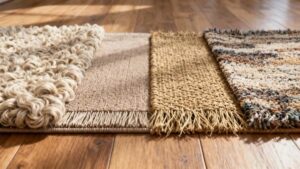
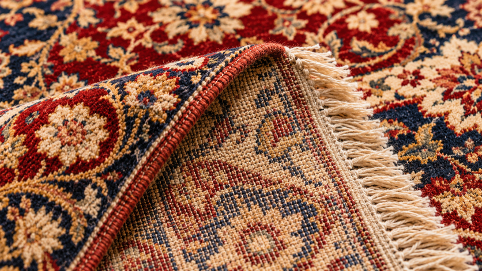
Finding the right hand-knotted rugs for a business involves more than selecting attractive patterns. Importers, wholesalers, rug retailers and interior designers also need consistent quality, clear specifications and reliable communication. India offers a wide variety of handmade rugs, but international sourcing raises practical questions about samples, customisation, production and shipping. This guide explains how to approach a bulk purchase with confidence.
1. Know What Makes Hand-Knotted Rugs Different
Artisans create hand-knotted rugs by tying individual knots around foundation threads. This manual construction can take substantial time depending on size, pattern and knot density. Hand-knotted rugs appear in residential interiors, premium retail collections, boutique hospitality projects and bespoke installations. Start by defining the designs, sizes and materials your customers need.
2. Select a Suitable Manufacturer
When searching for a hand-knotted carpet manufacturer in India, look beyond photographs and promotional claims. Ask whether the supplier manufactures directly, where production takes place, which materials it uses, whether it can provide written specifications and what quality checks are available. A factory visit, video walkthrough or independent inspection can provide additional reassurance for large orders.
For a first order, ask who will be your point of contact during production and how changes to the specification will be approved. A clear communication process is particularly useful when multiple sizes or colourways are involved.
3. Understand India’s Carpet-Making Heritage
Bhadohi, Uttar Pradesh, is an established centre of Indian carpet weaving. Manufacturers across India produce traditional, transitional and contemporary rugs for different markets. Capabilities vary between suppliers, so compare actual product ranges, production capacity, communication and ability to meet your brief rather than assuming all manufacturers offer identical services.
4. Choose Materials and Construction Carefully
Wool is valued for comfort and resilience; silk can bring fine detail and distinctive sheen; wool–silk blends offer visual contrast. Ask for exact fibre composition, foundation details, pile height where relevant and care guidance. A dependable hand-knotted rugs manufacturer in India should help you understand which constructions suit your intended market.
5. Specify Custom Designs, Sizes and Colours
Custom orders may involve dimensions, colours, patterns, materials and pile characteristics. Provide a detailed brief with measurements and reference images. Screen colours can differ from physical yarns, so request material or colour samples where practical. Confirm whether the manufacturer can meet the design and how changes will be approved before production begins.
A useful design brief includes the intended room, target dimensions, reference colours, expected traffic and preferred finish. For retail collections, identify which designs should be repeated across several sizes and which are intended as individual pieces.
6. Clarify MOQ and Lead Times
MOQ means minimum order quantity. It varies by manufacturer, material, design and order type. Hand-knotting timelines depend on dimensions, complexity, knot density, material availability and production capacity. Never assume a universal minimum or turnaround. Obtain written confirmation of quantities, schedules, payment stages and what happens if specifications change.
Build time into your schedule for sample approval, any revisions, final inspection and transport. Ask whether the quoted lead time starts when the order is placed or after the sample and materials are approved.
7. Request and Approve Samples
Samples allow you to assess texture, colour, weave, pile and finishing more reliably than a screen image. Review fibre composition, construction, edges and overall appearance. For custom designs, agree on a reference sample and acceptable tolerances before authorising a bulk order. This creates a shared quality benchmark.
Keep an approved sample or a documented reference for each design. Agree in advance how natural variations in handmade products will be assessed, particularly where several rugs are intended for the same interior.
8. Inspect Before Dispatch
Check dimensions against agreed tolerances, verify materials, review design and colour consistency, inspect edges and corners, and look for visible damage. For substantial orders, an independent pre-shipment inspection may be appropriate. A hand-knotted rugs and carpets manufacturer and exporter in India should be able to discuss inspection procedures and share relevant documentation.
9. Plan Export Documentation and Shipping
Depending on destination and shipping terms, documents may include a commercial invoice, packing list, export declaration, bill of lading or airway bill, and certificate of origin where required. Import duties, taxes, labelling and customs procedures vary by market. Confirm Incoterms, freight responsibilities, insurance and expected transit arrangements, and consult a qualified customs broker for country-specific requirements.
Ask the supplier and freight forwarder how the rugs will be protected from moisture and handling during transit. Confirm who is responsible for insurance and what documentation is needed if a shipment arrives damaged.
10. Compare Total Value, Not Only Price
Two rugs that look similar may differ in fibre quality, construction, finishing and production time. Evaluate specifications, sample consistency, communication, delivery reliability and after-sales support alongside the quotation. For repeat buyers, a dependable supplier relationship can be more valuable than the lowest initial price.
Frequently Asked Questions
Can I buy directly from Indian rug manufacturers?
Yes. Many manufacturers work with domestic and international buyers, although ordering requirements vary.
What is the minimum order quantity?
There is no universal MOQ; it depends on the supplier and order specifications.
Can I request custom designs?
Many suppliers offer customisation subject to feasibility, samples and production timelines.
How can I verify bulk order quality?
Use approved samples, written specifications, detailed photographs and inspections where appropriate.
How long does production take?
It depends on dimensions, complexity, materials, knot density and order volume.
Final Thoughts
Successful bulk sourcing starts with clear requirements, reliable manufacturer selection, sample approval and careful inspection. Genie Carpet Manufacturers welcomes enquiries about its hand-knotted carpet collections and available customisation options. Share your project brief and request product details or a quotation.