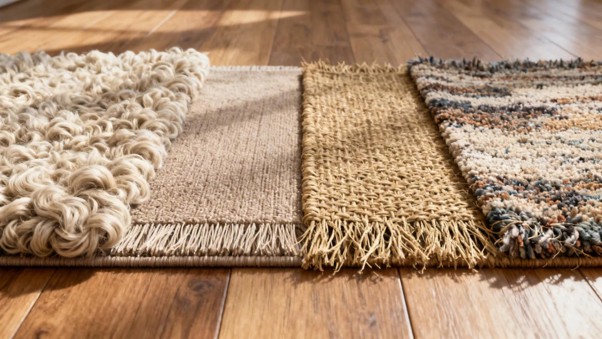
A beautiful rug can transform an ordinary room into a warm, welcoming space. But when shopping for a rug, choosing the right material is just as important as selecting the perfect colour or design.
Wool, cotton, and jute are three popular natural materials used in rug manufacturing. Each has its own texture, comfort level, maintenance requirements, and advantages.
So, when comparing wool vs cotton vs jute rugs, which one should you choose?
The answer depends on your lifestyle, budget, room usage, and personal preferences.
In this guide, we’ll explore the differences between these materials to help you make a confident decision.
Why Does Rug Material Matter?
A rug’s material influences how it feels, looks, and performs over time.
For example, a soft wool rug may be ideal for a comfortable bedroom, while a tightly woven cotton rug might work well in a casual living space.
Jute rugs, meanwhile, are popular for their distinctive natural texture and earthy appearance.
Before choosing a rug, consider:
- How frequently the room is used.
- Whether softness or texture matters more.
- How much maintenance you’re comfortable with.
- Your preferred interior design style.
- Your budget and long-term expectations.
Understanding these factors makes it easier to choose a rug that suits your everyday needs.
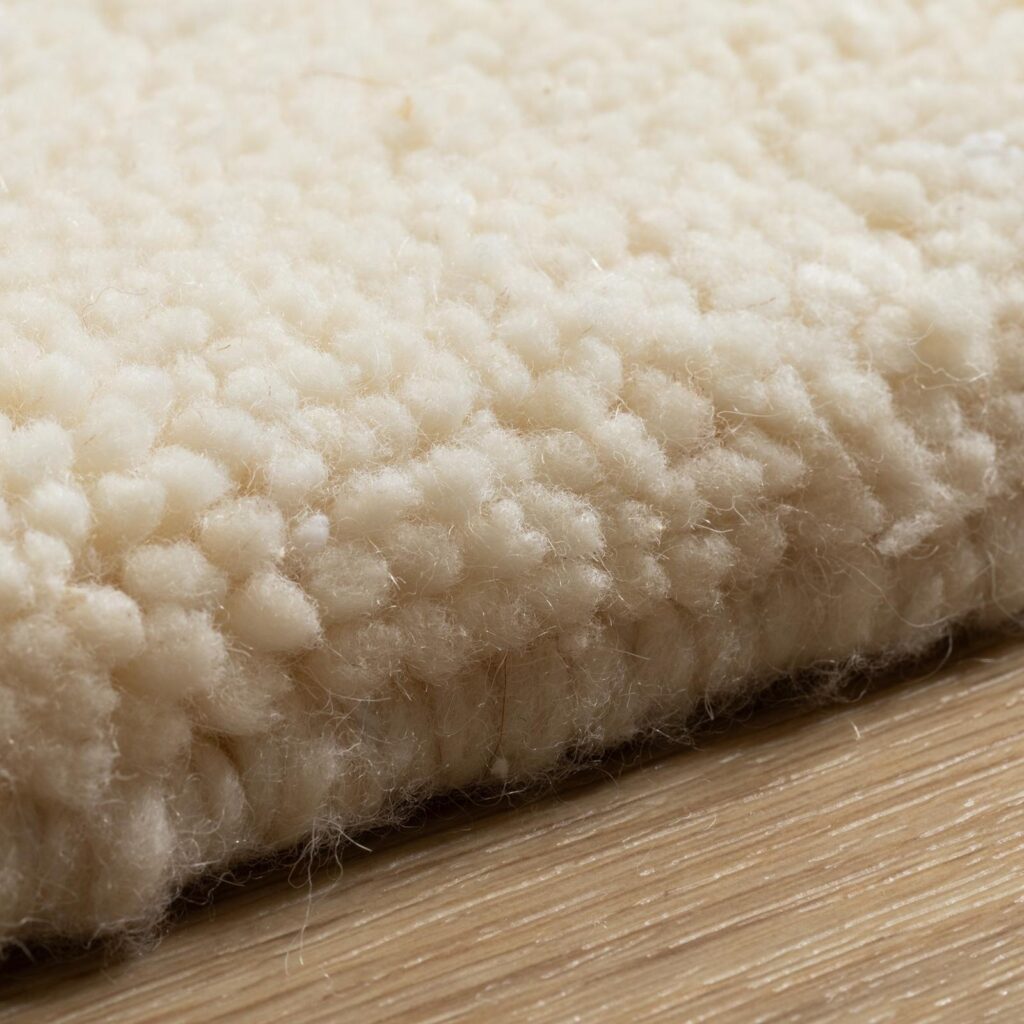
1. Wool Rugs: Soft, Comfortable and Naturally Resilient
Wool rugs have been valued for centuries because of their comfort, warmth, and lasting appeal.
Made from natural sheep’s wool, these rugs are available in traditional, contemporary, and modern designs.
Many wool carpet manufacturers in India produce rugs using different weaving and tufting techniques, allowing buyers to explore a wide range of textures and finishes.
Benefits of Wool Rugs
Excellent comfort: Wool fibres provide a soft, cushioned surface that feels pleasant underfoot.
Natural resilience: Quality wool fibres can recover well from compression, making suitable constructions practical for frequently used rooms.
Warmth and insulation: Wool naturally provides thermal insulation, helping create a cosy atmosphere.
Design versatility: Wool works beautifully with traditional, modern, and luxury interiors.
Things to Consider
Wool rugs are often more expensive than basic cotton or jute alternatives.
Some wool rugs may shed initially, and cleaning requirements depend on their construction.
Where Should You Use Wool Rugs?
Wool rugs are particularly suitable for:
- Living rooms
- Bedrooms
- Family seating areas
- Formal lounges
- Reading corners
Best choice for: Homeowners who prioritise comfort, resilience, and timeless design.
2. Cotton Rugs: Lightweight, Versatile and Comfortable
Cotton rugs are a practical option for homeowners who prefer relaxed interiors and flexible decorating choices.
They are generally lightweight and available in many colours, patterns, and flatwoven constructions.
Cotton is also widely used by handmade carpet manufacturers in India, particularly for woven rugs, durries, and casual home décor collections.
Benefits of Cotton Rugs
Soft texture: Cotton provides a comfortable surface, especially in bedrooms and casual spaces.
Lightweight: Many cotton rugs are easy to move and reposition.
Design flexibility: Cotton can be woven into colourful patterns, geometric designs, and decorative textures.
Accessible options: Basic cotton rugs are often more affordable than premium wool rugs.
Things to Consider
Cotton may show wear more quickly than resilient wool constructions in heavily used areas.
Although some cotton rugs are machine washable, others require specialist cleaning. Always check the manufacturer’s care instructions.
Where Should You Use Cotton Rugs?
Cotton rugs are suitable for:
- Bedrooms
- Guest rooms
- Casual living areas
- Study rooms
- Low-traffic spaces
Best choice for: People who prefer lightweight, comfortable rugs and enjoy updating their home décor.
3. Jute Rugs: Natural Beauty and Earthy Texture
Jute rugs are popular among homeowners who appreciate natural materials and understated interior design.
Made from plant-based fibres, jute rugs offer a distinctive woven appearance and warm, earthy colours.
Many jute rug manufacturers in India create different textures and patterns using traditional and contemporary weaving techniques.
Benefits of Jute Rugs
Natural appearance: Jute adds an organic, earthy character to interiors.
Renewable fibre: Jute comes from a renewable plant crop.
Distinctive texture: Its woven structure adds visual interest to simple spaces.
Versatile styling: Jute complements rustic, coastal, minimalist, and bohemian interiors.
Things to Consider
Jute rugs are generally firmer and rougher underfoot than wool or cotton.
They are also sensitive to moisture. Excessive dampness may affect the fibres, appearance, and structure.
Where Should You Use Jute Rugs?
Jute rugs can work well in:
- Dry living rooms
- Home offices
- Decorative seating areas
- Low-moisture entryways
- Natural-themed interiors
Best choice for: Homeowners who prefer natural textures and relaxed, earthy styling.
4. Wool vs Cotton vs Jute Rugs: Comparison Table
| Feature | Wool Rugs | Cotton Rugs | Jute Rugs |
| Comfort | Soft and cushioned | Soft and flexible | Firm and textured |
| Durability | Often highly resilient | Varies by construction | Depends on weave and usage |
| Maintenance | Suitable vacuuming and spot care | Some designs are washable | Prefer dry cleaning methods |
| Appearance | Rich and versatile | Casual and colourful | Earthy and natural |
| Weight | Often medium to heavy | Usually lightweight | Varies |
| Moisture tolerance | Avoid prolonged dampness | Depends on construction | Particularly moisture-sensitive |
| Price | Often premium | Often affordable | Often moderately priced |
| Best for | Living rooms and bedrooms | Casual spaces | Dry decorative interiors |
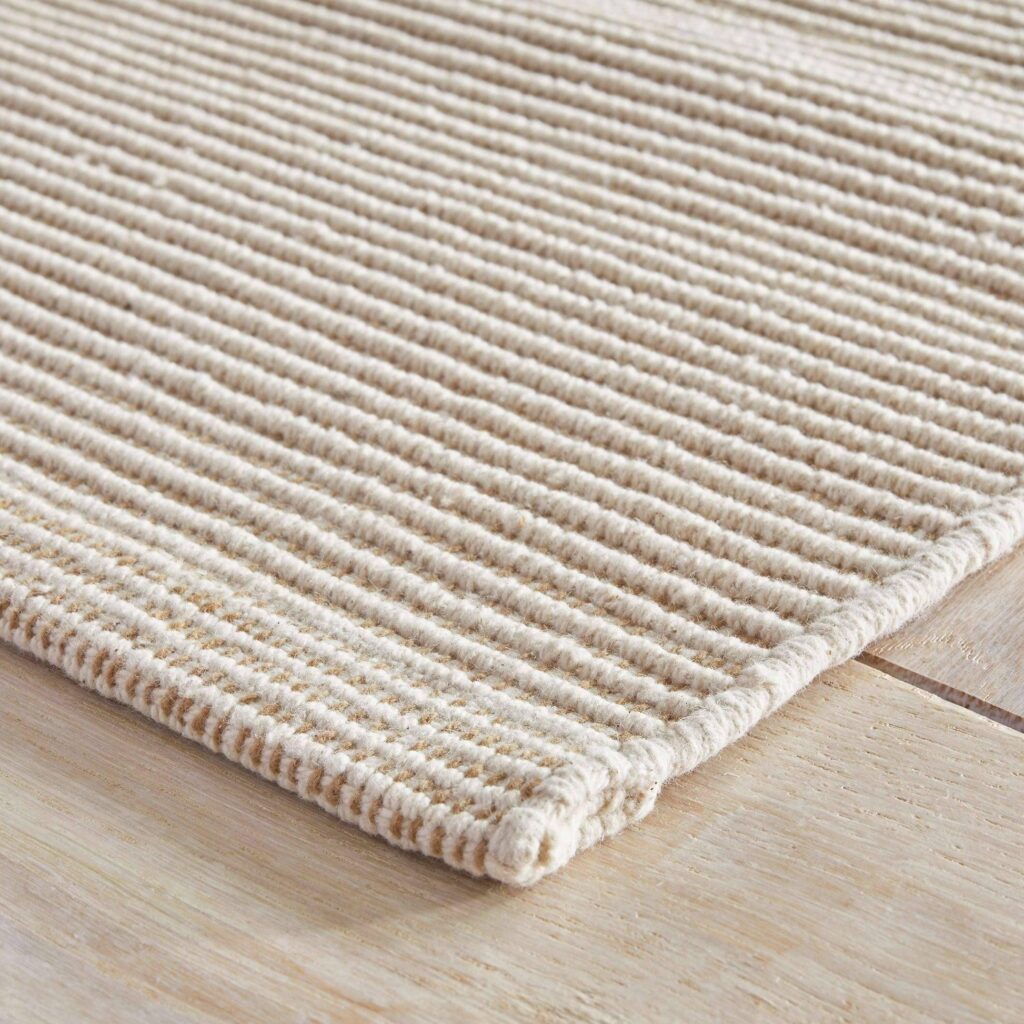
Remember that rug durability depends on fibre quality, construction, pile height, and maintenance—not material alone.
5. Which Rug Material Is Best for Different Rooms?
Living Room
Wool is a strong option when comfort and resilience are priorities.
Jute can also be suitable if you prefer a natural appearance and the room remains dry.
Bedroom
Wool and cotton are both comfortable choices.
Choose wool for a cushioned feel or cotton for a lightweight, casual appearance.
Dining Room
Low-pile wool rugs and tightly woven flatweaves can be practical options.
Select a construction that accommodates chair movement and can be maintained appropriately.
Home Office
Low-profile rugs are often easier to use beneath office furniture.
A tightly woven rug can be more practical than a thick, high-pile design.
6. How to Choose a Quality Natural Fiber Rug
When comparing natural fiber rugs, look beyond appearance.
A well-made rug should have appropriate construction, consistent finishing, and clear material information.
Before purchasing, consider:
- Fibre composition: Confirm whether the rug is pure wool, cotton, jute, or a blend.
- Construction: Check whether it is hand-knotted, hand-tufted, handwoven, or machine-made.
- Dimensions: Measure your room and furniture carefully.
- Maintenance: Understand the recommended cleaning methods.
- Manufacturing quality: Examine the edges, backing, and overall finish.
Reputable carpet manufacturers in India should be able to explain their available materials, construction methods, and product specifications.
For larger projects, requesting samples can help you evaluate texture and appearance before ordering.
7. Are Natural Fibre Rugs Environmentally Friendly?
Natural fibres are sourced from renewable biological materials, but sustainability involves more than fibre selection.
Water use, agricultural practices, dyes, manufacturing processes, transportation, and product lifespan all influence environmental impact.
Choosing a durable rug that suits your requirements and can be maintained properly may help reduce unnecessary replacement.
Ask manufacturers about material sourcing, production practices, and any independently verified certifications.
Frequently Asked Questions
Which is better: wool or jute rugs?
Wool is generally softer and more cushioned, while jute offers a firmer texture and natural appearance. The better option depends on your comfort and design preferences.
Which rug material is most durable?
Well-constructed wool rugs are often highly resilient. However, durability also depends on the weave, fibre quality, and everyday use.
Are cotton rugs suitable for everyday use?
Yes. Cotton rugs can work well in casual spaces, although their lifespan depends on construction and traffic levels.
Can jute rugs be used in bedrooms?
Yes, particularly if you enjoy natural textures. However, jute generally feels firmer than wool or cotton.
Can natural fibre rugs be customised?
Many manufacturers offer custom sizes, colours, and designs. Available options depend on the material and production method.
Final Thoughts
When choosing between wool, cotton, and jute rugs, there is no single material that’s perfect for every home.
Choose wool for comfort, resilience, and a refined appearance.
Choose cotton for lightweight, versatile rugs suited to casual interiors.
Choose jute for natural texture and earthy styling.
At Genie Carpet Manufacturers, we understand that choosing the right rug involves balancing material, design, and practical requirements.
Explore our carpet and rug collections or contact our team to discuss suitable materials, designs, and customisation possibilities.Looking for quality rugs for your home or commercial project? Explore our collections and request a product enquiry today.